Port Talbot Blast Furnaces
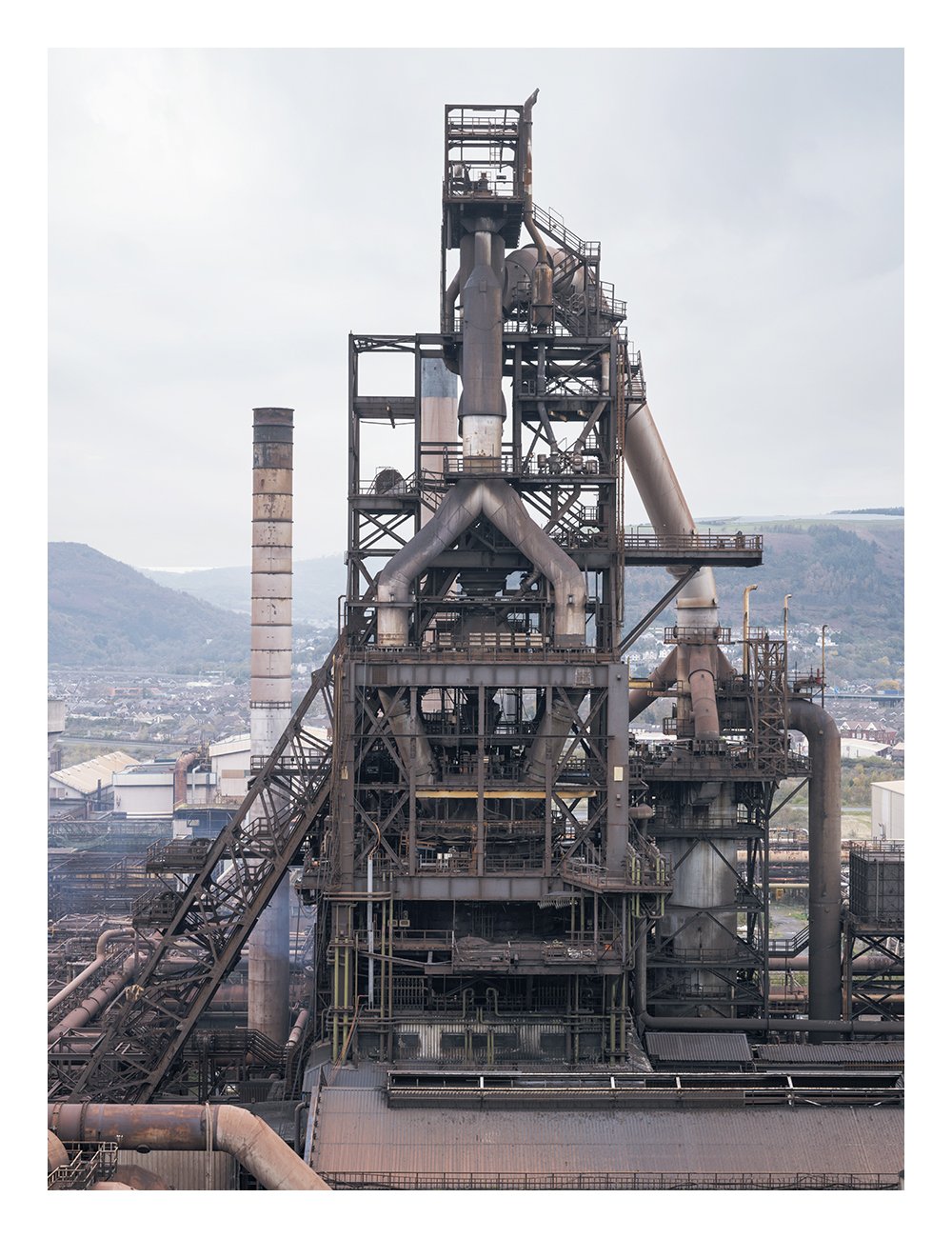
Port Talbot Blast Furnace No 5 2025
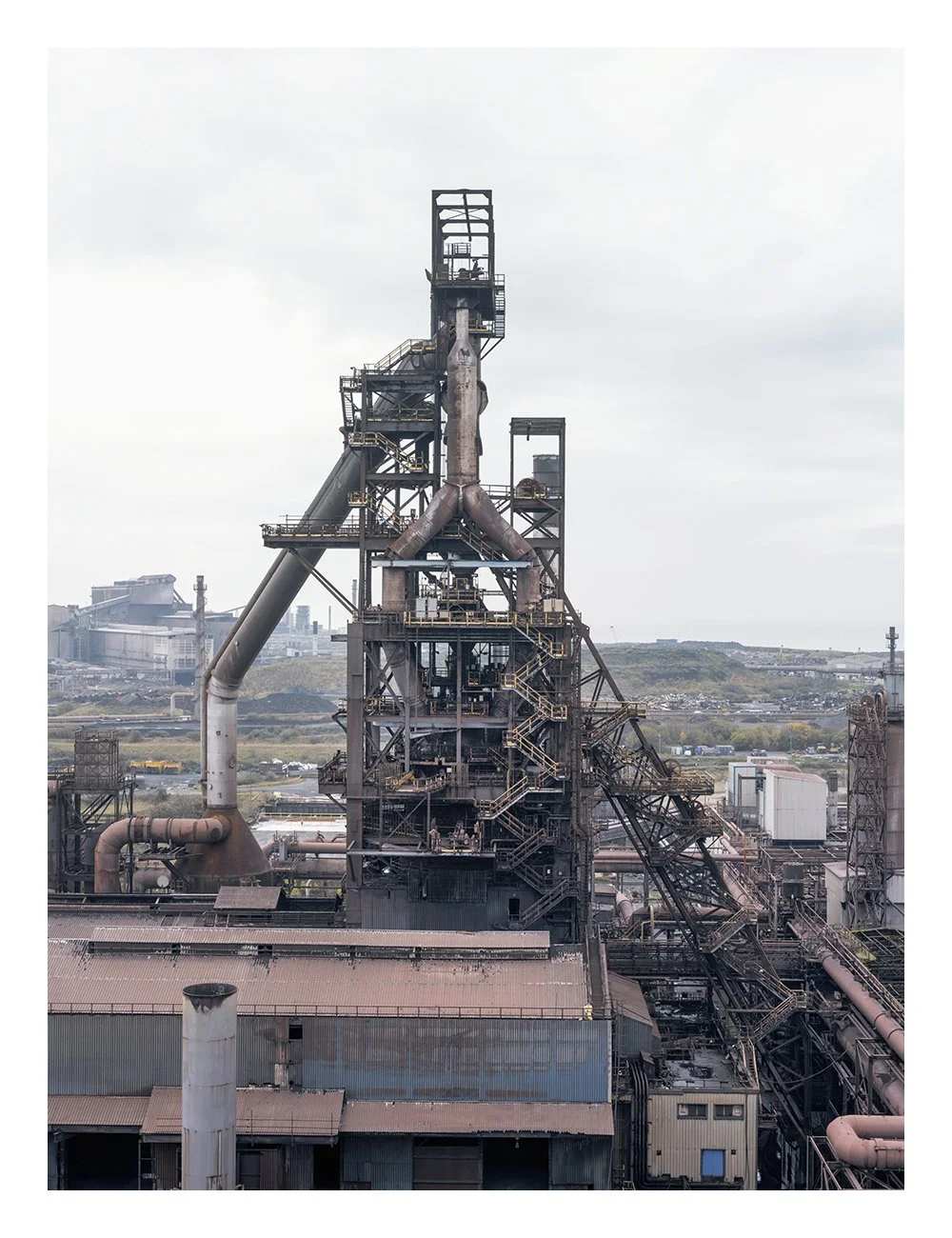
Port Talbot Blast Furnace No 4 2025
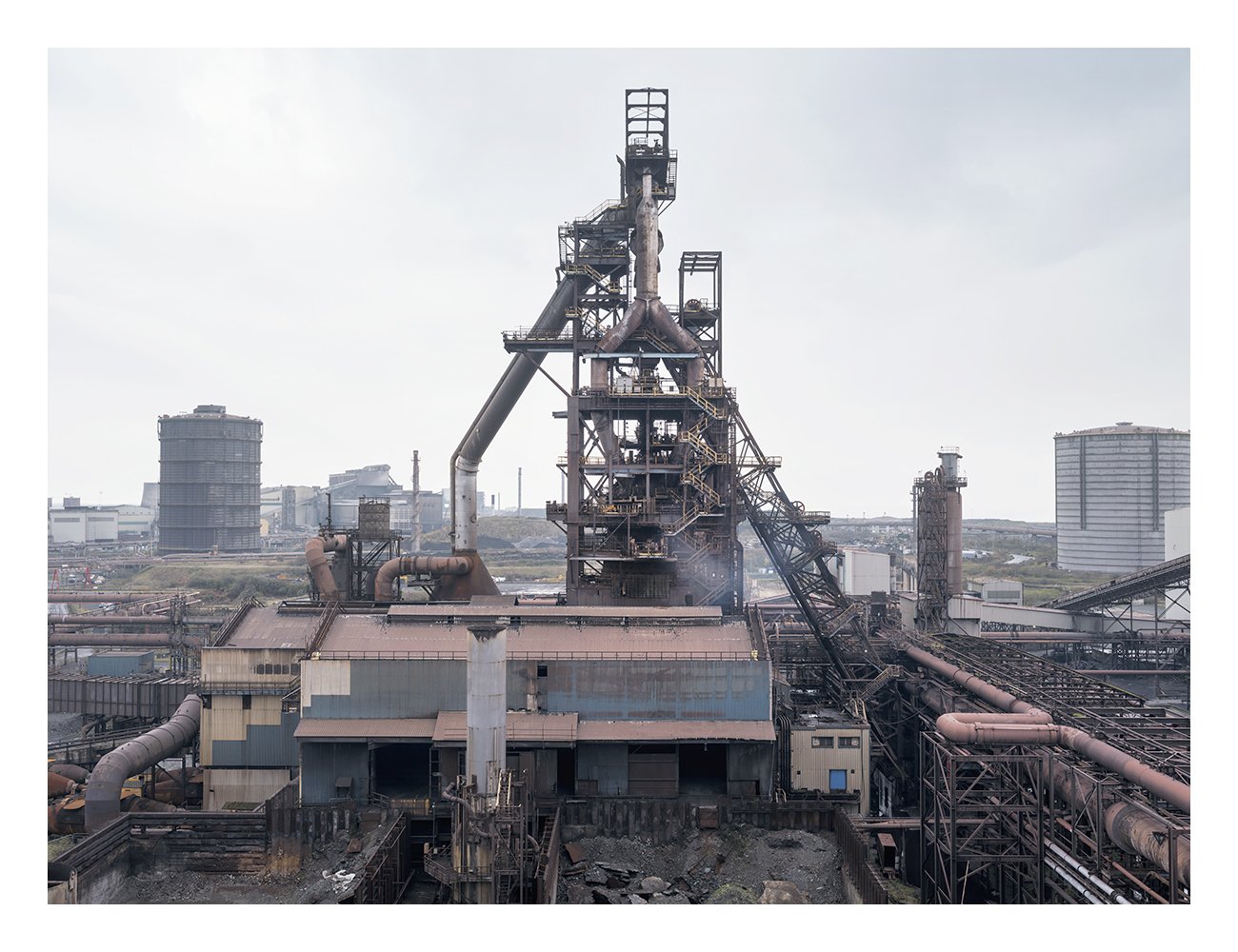
Port Talbot Blast Furnace No 4 2025
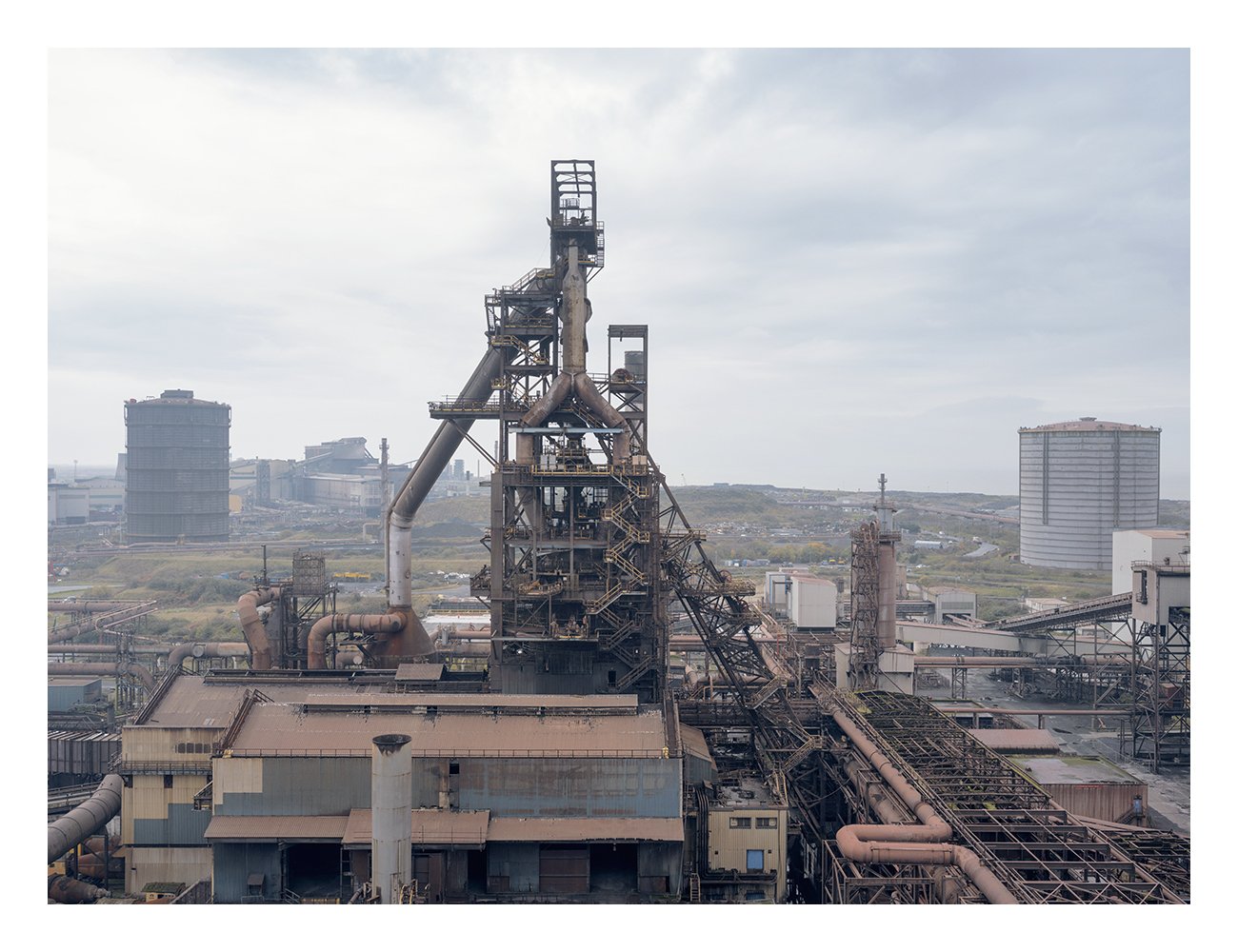
Port Talbot Blast Furnace No 4 2025
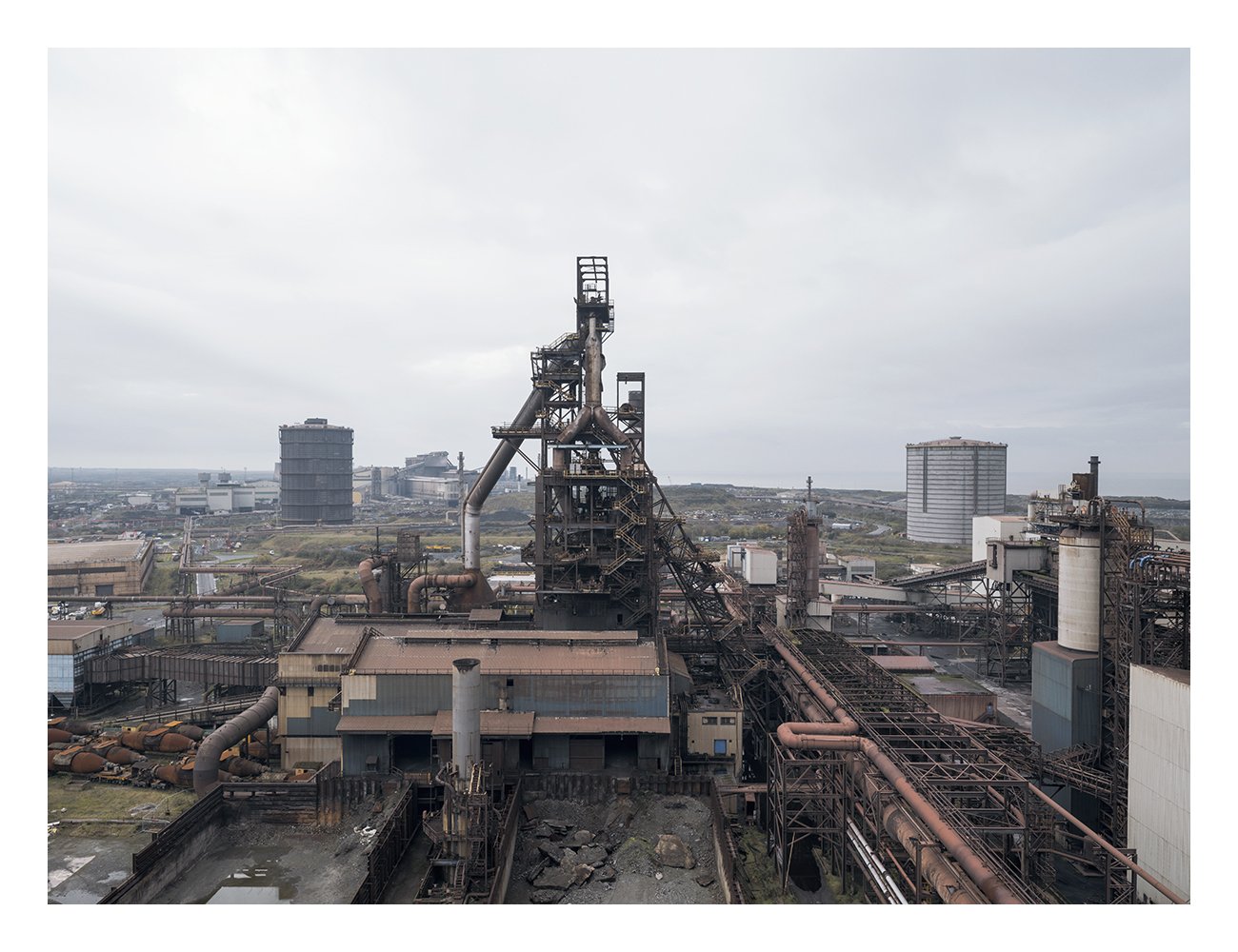
Port Talbot Blast Furnace No 4 2025
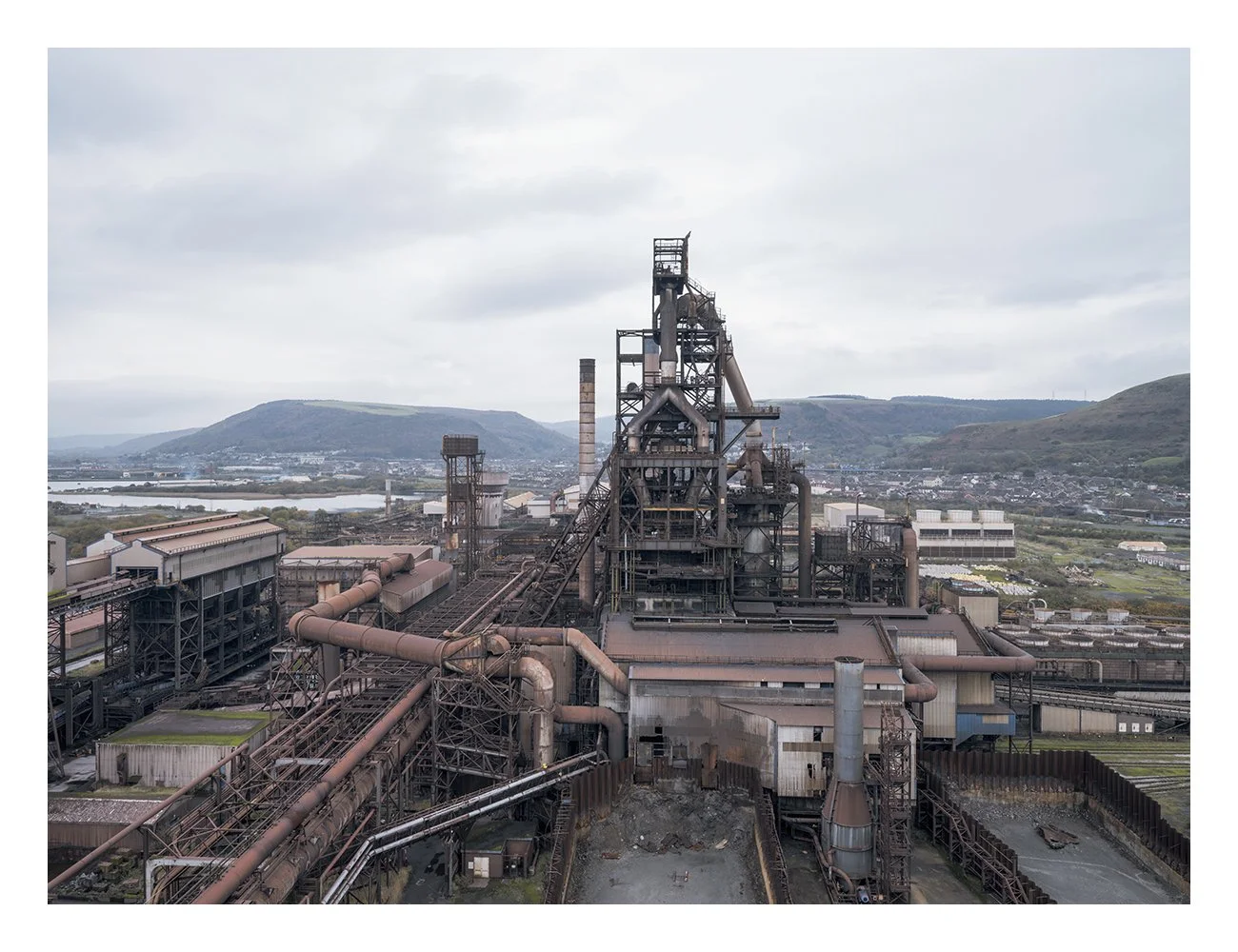
Port Talbot Blast Furnace No 5 2025
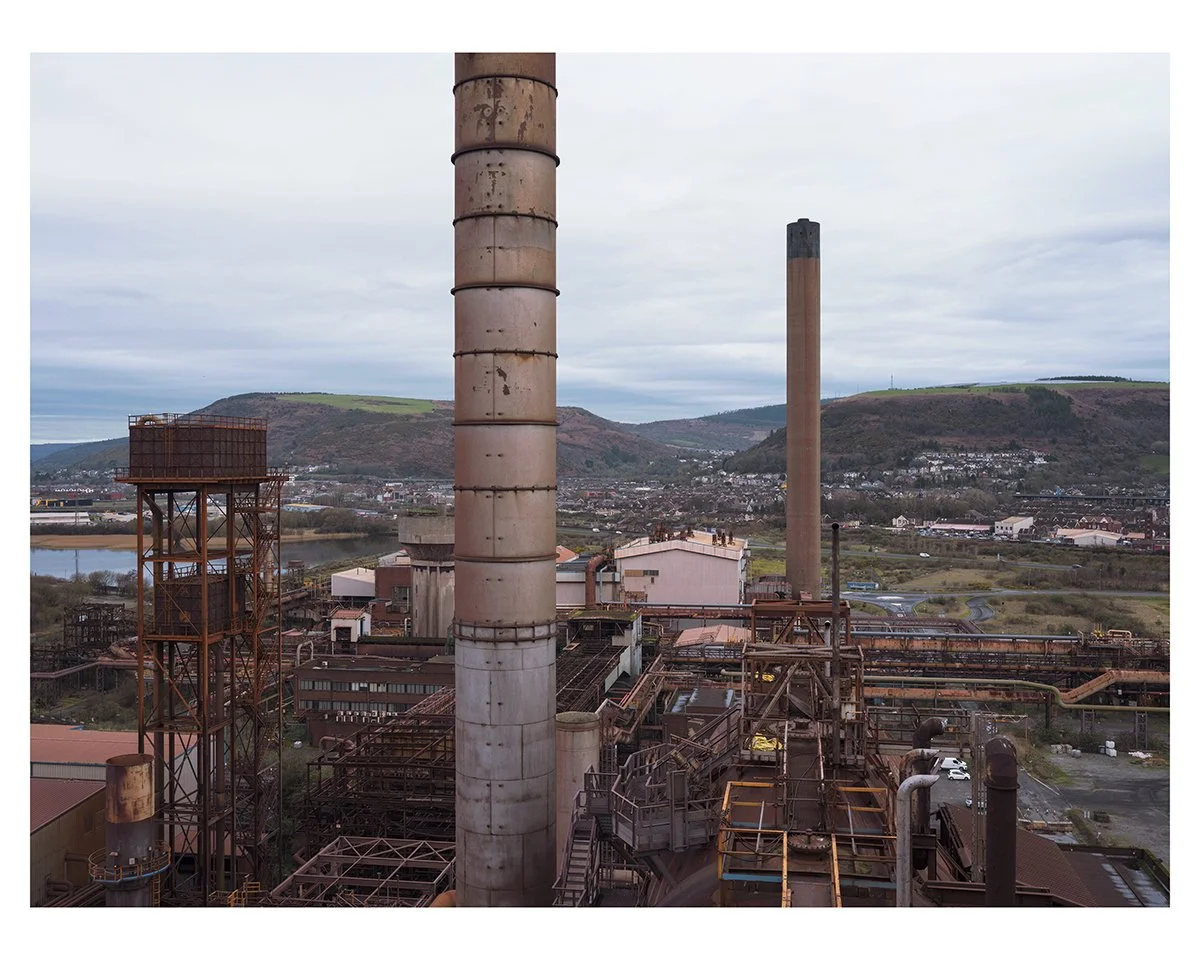
View from Port Talbot Blast Furnace 5 over Incinerator Chimney and Water Tower 2025

View from Port Talbot Blast Furnace 5 over Incinerator Chimney and Water Tower 2026

View from Port Talbot Blast Furnace 5 over Incinerator Chimneys and Cooling Plant 2025
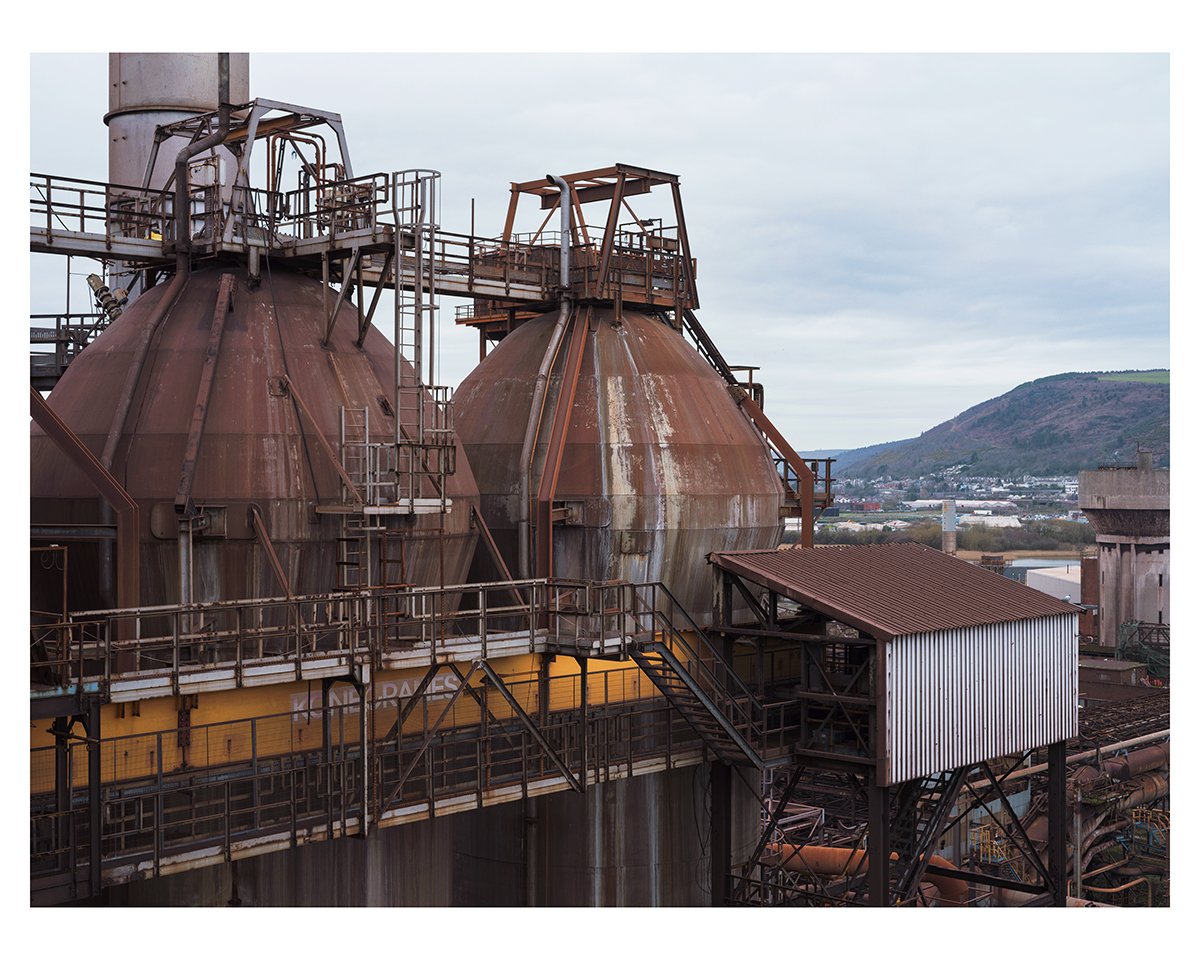
Top of Furnaces, Port Talbot Blast Furnace No 5 2026
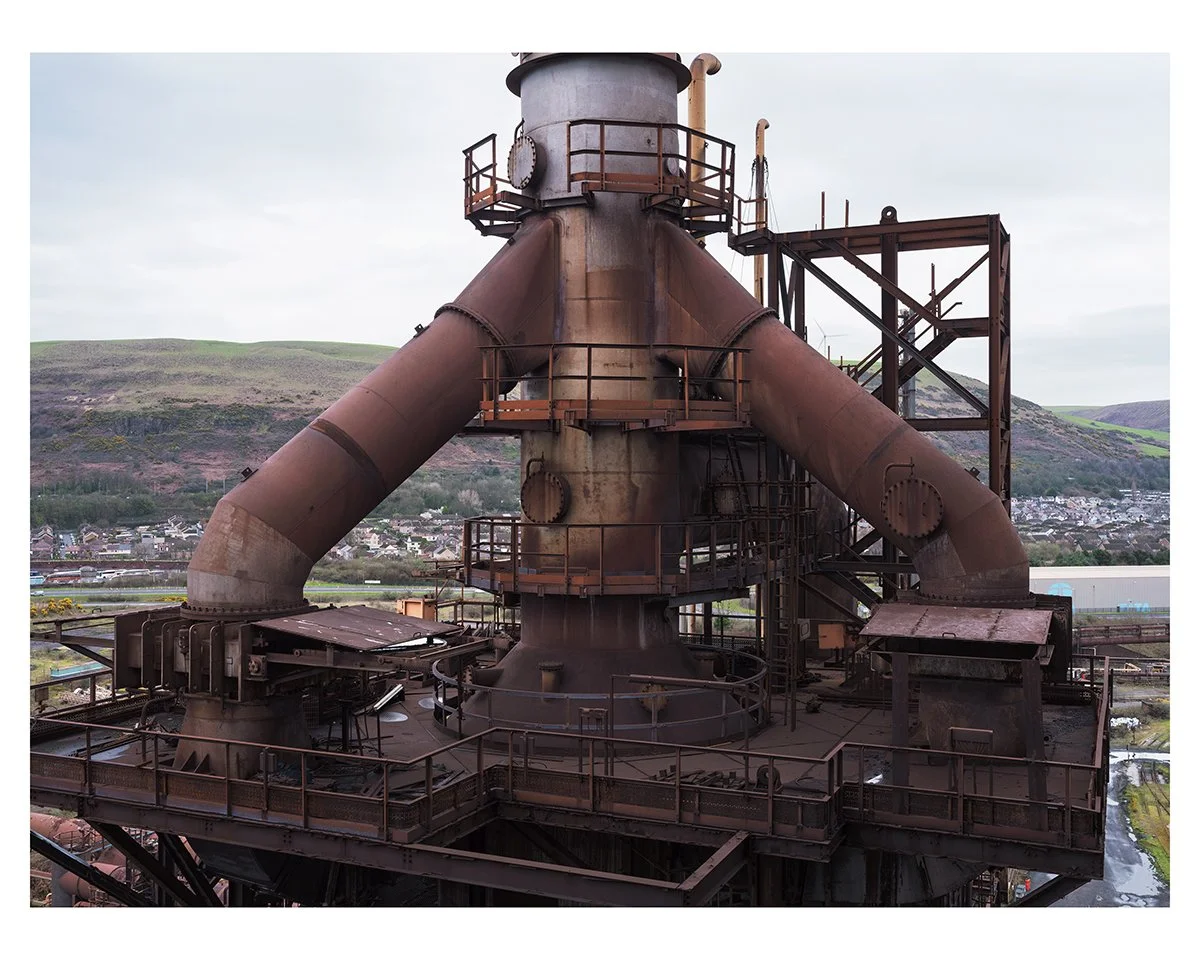
Detail from Port Talbot Blast Furnace No 5 2026
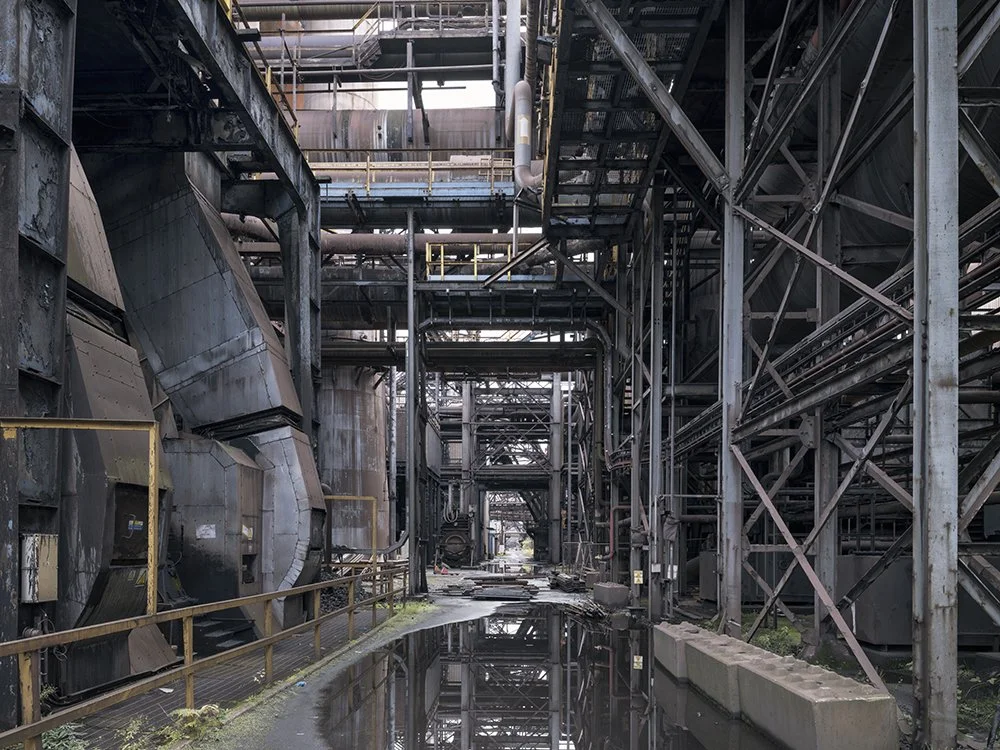
Skip Alley, Port Talbot Steelworks 2025

Base of Blast Furnace No 4 #1 2026
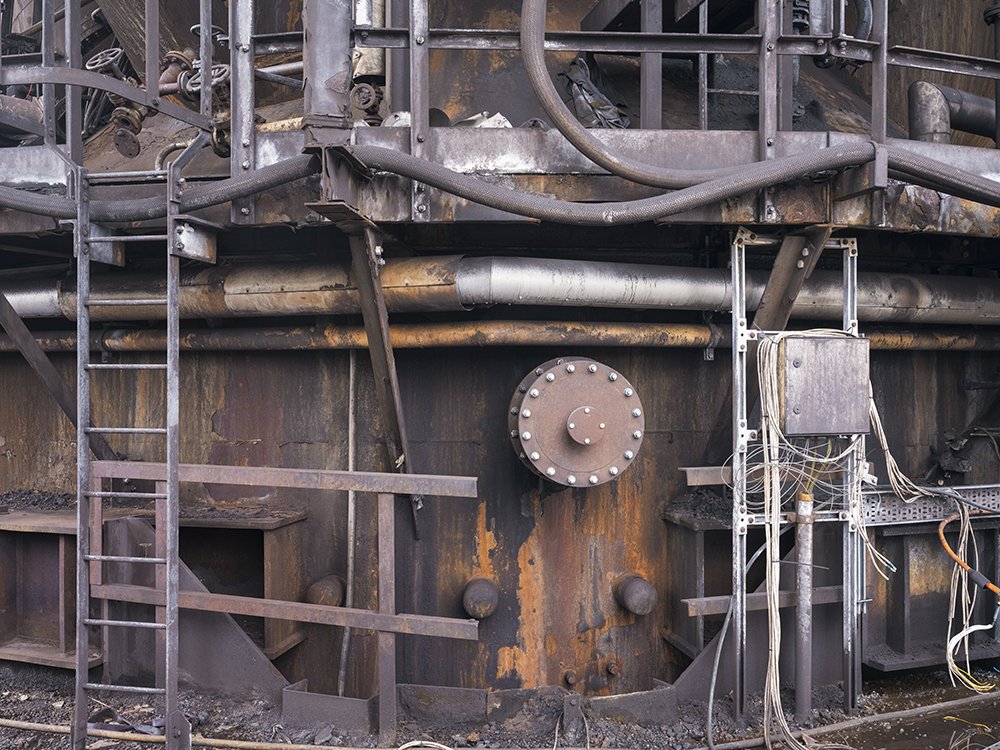
Detail #1, No 5 Blast Furnace, 2026
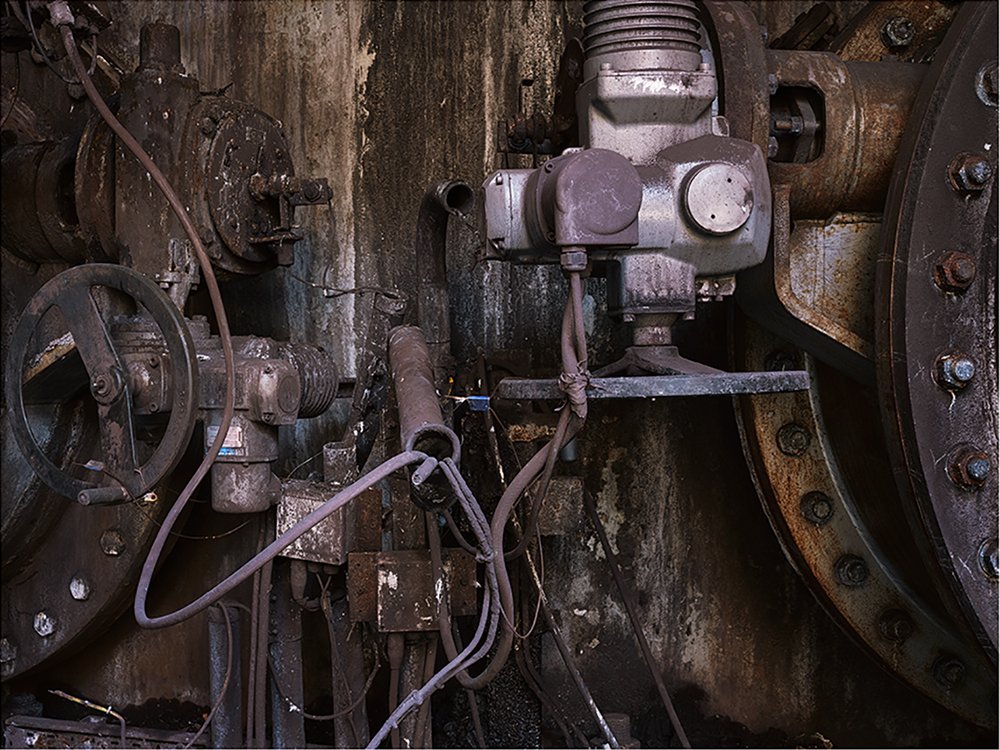
Detail #1, No 4 Blast Furnace Stove II, 2026
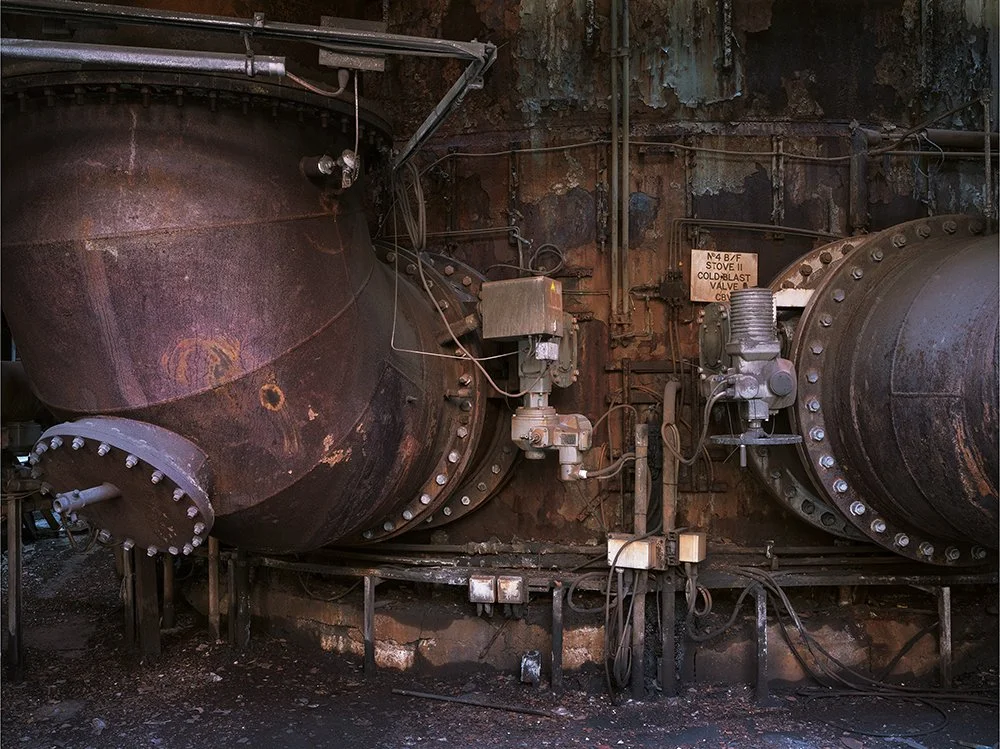
Detail #2, No 4 Blast Furnace 2026
Port Talbot’s steelworks was the largest in the UK, and one of the largest in the world. At its height, in the 1960s, it employed over 18,000 people. By 2024, the workforce had been reduced to about 4,000.
In 2024, the remaining blast furnaces, No. 4 and No. 5, were decommissioned and are due to be demolished in the spring of 2027. Tata Steel is replacing them with an electric arc furnace to recycle scrap steel.
These blast furnaces leave a conflicted legacy. As well as providing employment for generations of steelworkers, and dominating Port Talbot’s economy, they were also Britain’s largest polluters.
The blast furnace is arguably the most glorious example of function over form. They are massive vertical machines built by engineers. Monstrously beautiful, beautifully monstrous, they are one of the Wonders of the World.